
News & Insights
Frontgrade Technology Powers Critical Computing Functions on NASA’s Nancy Grace Roman Space Telescope
Radiation-hardened processors and microelectronics support spacecraft operations, scientific instruments, data storage, and fault-tolerant computing aboard NASA’s Nancy Grace Roman Space Telescope.
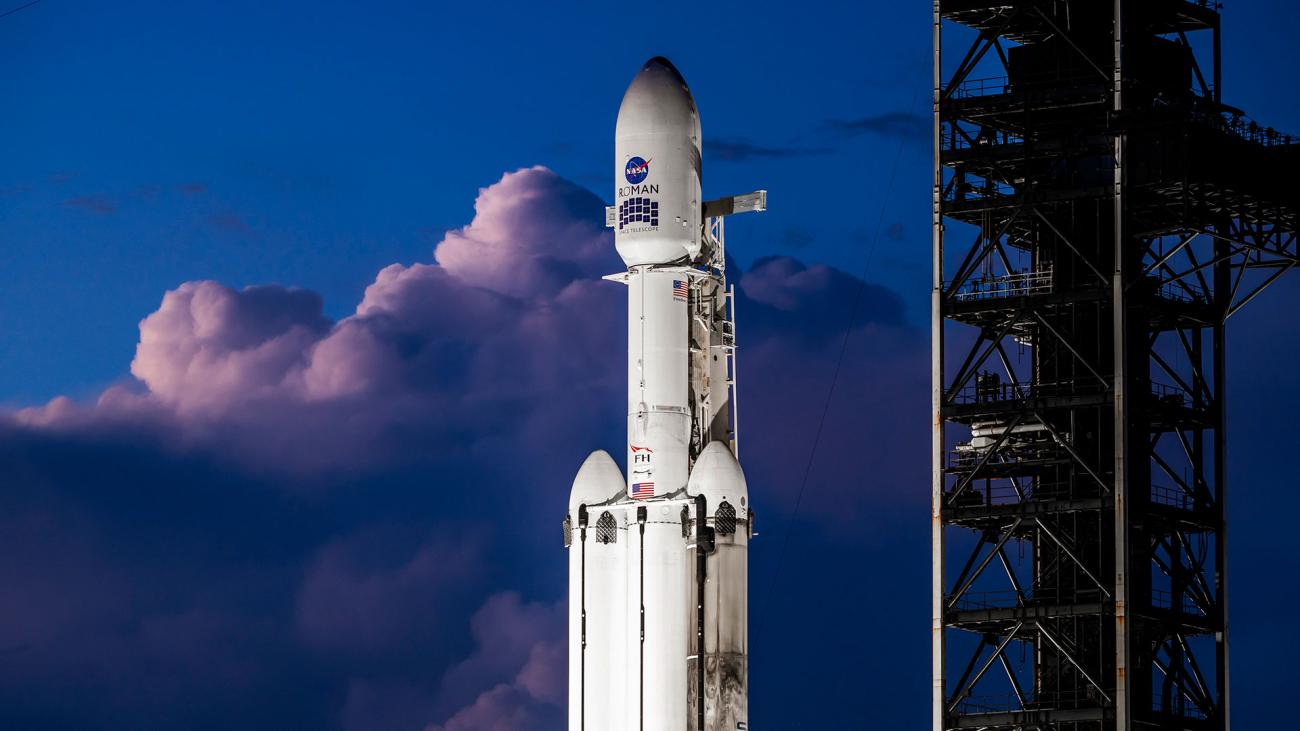
NASA’s Nancy Grace Roman Space Telescope will survey the cosmos to investigate dark energy and discover planets beyond our solar system. Frontgrade provides radiation-hardened processors that support the observatory’s spacecraft operations, scientific instruments, and scientific data recorder, along with microelectronics that support communications, power management, and control throughout the spacecraft.
Named after NASA’s first Chief of Astronomy, Nancy Grace Roman, the telescope features a 2.4-meter primary mirror and a wide-field infrared camera capable of surveying the cosmos with unprecedented efficiency. Scientists expect Roman to transform research into dark matter and galaxy evolution while advancing direct-imaging technologies through its Coronagraph Instrument.
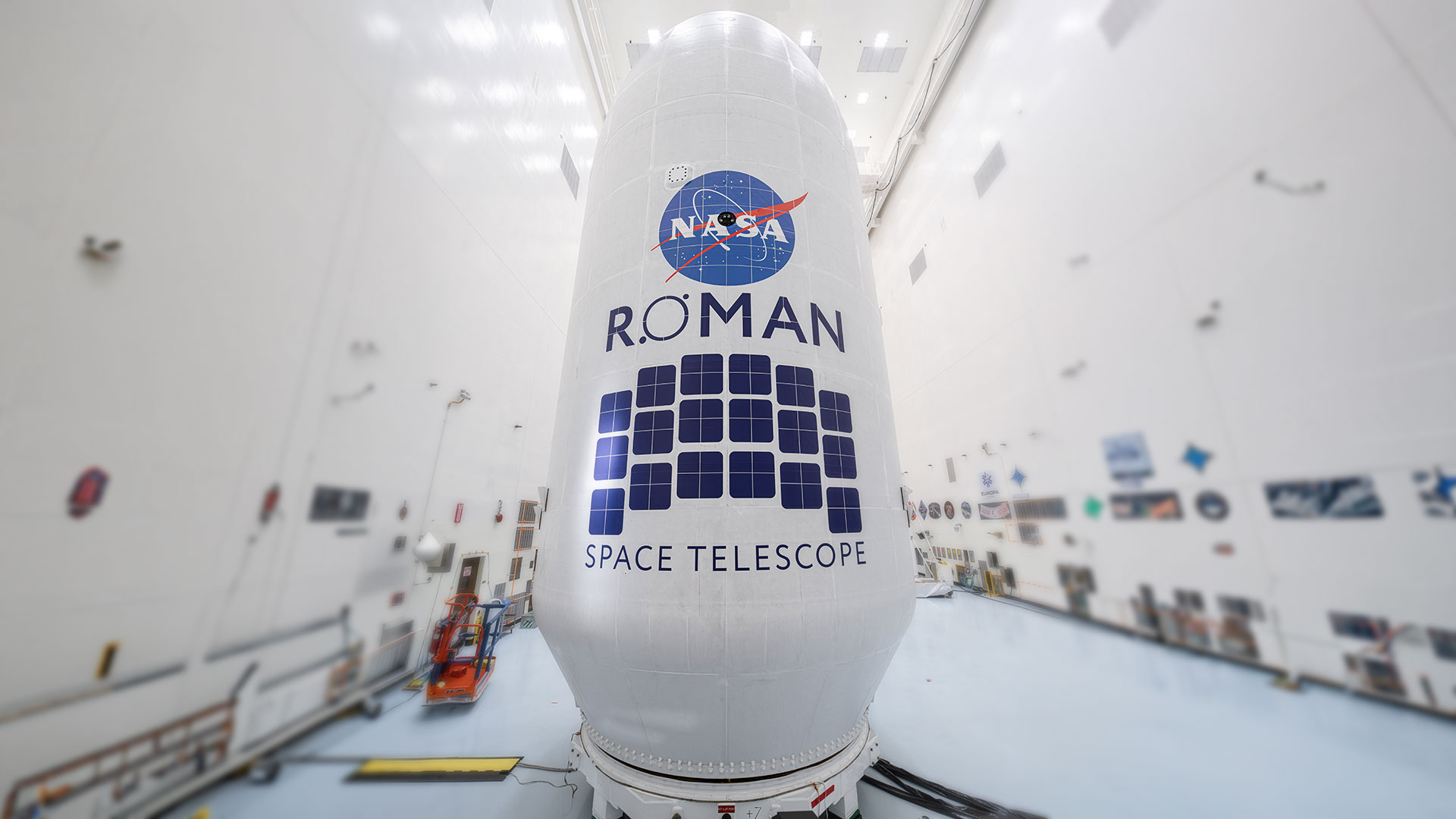
Frontgrade Gaisler’s processors support Roman’s primary and redundant spacecraft command and data handling systems, along with the corresponding systems for its Wide Field Instrument and Coronagraph Instrument. A separate processor supports the Science Data Recorder’s storage and management of data generated by the instruments.
NASA’s Goddard Space Flight Center developed the processor card used in the spacecraft and instrument computing systems as a core element of Roman’s avionics architecture. Flight-qualified units were delivered to spacecraft and instrument teams and supported software integration, verification, and flight application testing.
Frontgrade’s additional radiation-hardened microelectronics include logic devices, transceivers, and voltage supervisors, supporting fault-tolerant operation throughout the spacecraft.
“Roman represents another example of the confidence that leading space organizations place in Frontgrade technologies when mission success depends on reliable, fault-tolerant onboard computing,” said Sandi Habinc, General Manager at Frontgrade Gaisler.
Image credit: NASA
News & Insights
Ready to discuss your mission architecture?
Connect with engineers across RF, processing, microelectronics, and motion to evaluate the right architecture for your mission.